
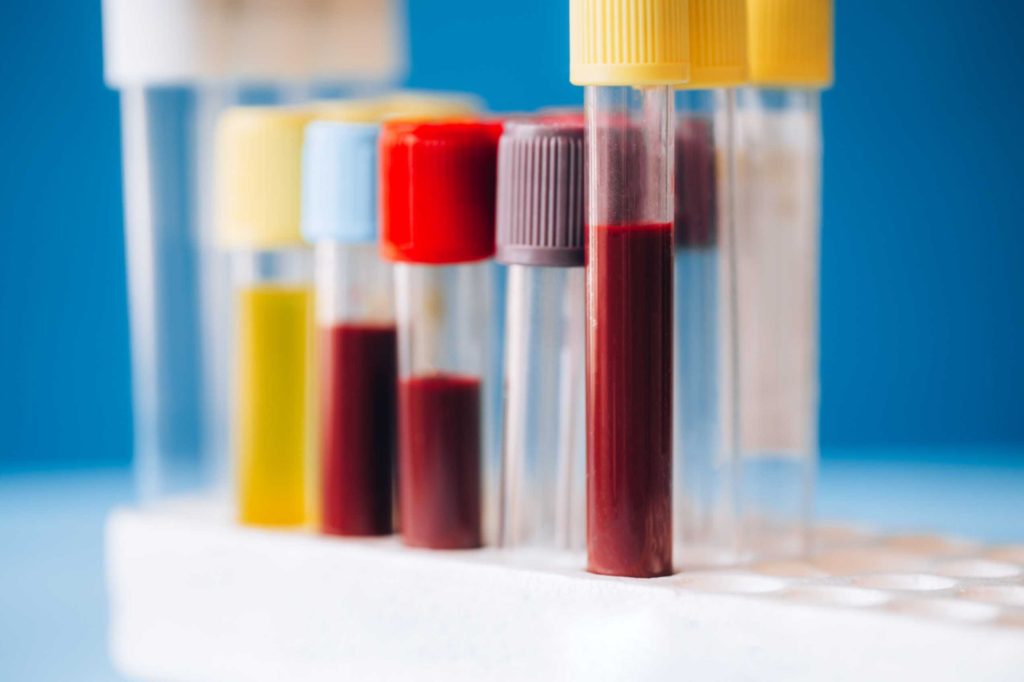
Reaching your 40s is often the stage where preventive healthcare becomes increasingly important. Many common health conditions, including high cholesterol, type 2 diabetes and hormone imbalances, can develop gradually without obvious symptoms. Regular blood testing may help identify potential concerns earlier and support informed health decisions.
For people considering a private blood test in Slough, understanding which tests may be relevant in your 40s can help you choose the most appropriate health screening options.
Why Preventive Blood Testing Matters In Your 40s
Preventive blood testing can help assess your overall health before symptoms become more noticeable. Many conditions linked to ageing, lifestyle and family history may develop silently over time.
Routine health check blood test screening may help monitor cholesterol levels, blood sugar levels, liver and kidney function, hormone balance and nutritional deficiencies. Early identification of abnormal results may allow lifestyle changes or medical advice before problems progress further.
Cholesterol and Heart Health Blood Tests
Cardiovascular risk often increases during your 40s. A cholesterol blood test is commonly recommended as part of a broader health assessment.
These tests may assess:
- Total cholesterol
- LDL cholesterol
- HDL cholesterol
- Triglycerides
High cholesterol does not always cause symptoms, which is why routine testing is important for many adults.
People with family histories of heart disease, smoking, obesity or high blood pressure may particularly benefit from regular monitoring.
Diabetes Blood Test Screening
A diabetes blood test may help detect prediabetes or type 2 diabetes before noticeable symptoms appear.
Common diabetes screening tests include HbA1c blood testing and fasting glucose testing. These assessments help measure how effectively the body controls blood sugar levels over time.
Possible warning signs of diabetes may include:
- Increased thirst
- Frequent urination
- Fatigue
- Blurred vision
However, some people experience no symptoms during the early stages.
Maintaining healthy blood sugar levels is important for long-term heart, kidney and nerve health.
Hormone Blood Test Checks In Your 40s
Hormonal changes can affect both men and women during their 40s. A hormone blood test may help investigate symptoms linked to changing hormone levels.
Women may consider hormone testing if they experience irregular periods, fatigue, mood changes, sleep disturbance or symptoms linked to perimenopause.
A blood test for men over 40 may sometimes include testosterone testing where clinically appropriate. Low testosterone levels may contribute to reduced energy, low mood, reduced muscle mass or decreased libido.
Hormone-related symptoms should always be discussed with a qualified healthcare professional before drawing conclusions from test results alone.
General Health Check Blood Test Panels
Many people choose comprehensive screening panels as part of routine preventive healthcare.
A general list of blood tests may include:
- Full blood count
- Liver function test
- Kidney function test
- Vitamin D test
- Thyroid function test
- Iron studies
- Inflammatory markers
These tests may help provide a broader understanding of overall wellbeing and identify potential concerns that require further medical advice.
Should You Have A Tumour Marker Blood Test?
A tumour marker blood test is not usually recommended as a general screening tool for healthy adults without symptoms. However, certain tumour markers may sometimes be considered based on symptoms, family history or medical guidance.
Tumour marker tests should always be interpreted carefully alongside clinical assessment and other investigations where necessary.
If you are concerned about cancer symptoms or family history, speak with a healthcare professional for personalised advice and appropriate next steps.
How Often Should You Have Blood Tests In Your 40s?
How often you should have blood tests depends on your lifestyle, family history and overall health. Some people may benefit from annual screening, especially if they have high cholesterol, diabetes risk factors or ongoing symptoms.
If you are considering a private blood test in Farnham Royal, Aroga Pharmacy provides professional health screening and personalised advice tailored to your needs.
Book an appointment today to discuss suitable blood testing options and support your long term wellbeing.
Frequently Asked Questions
What is the most important blood test in your 40s?
There is no single most important test. Cholesterol screening, diabetes blood test checks and general health check blood test panels are commonly recommended depending on individual risk factors.
How often should adults over 40 have blood tests?
Many adults benefit from routine screening every 1 to 3 years, although frequency varies depending on personal health history and medical advice.
Can blood tests detect early health problems?
Some blood tests may help identify risk factors or early signs of certain conditions before noticeable symptoms develop.
Are private blood tests accurate?
Private blood tests performed by regulated healthcare providers generally use accredited laboratories and standard clinical testing procedures.
Should men over 40 have testosterone tests?
A blood test for men over 40 may include testosterone assessment if symptoms suggest possible hormonal imbalance.