
Reviewed by Aroga Pharmacy, GPhC Registered Pharmacy 1029011
The best way to get rid of impetigo quickly is to have it checked by a pharmacist or GP, who can recommend the right treatment. This may be hydrogen peroxide cream or antibiotics, depending on the infection. With treatment, impetigo often starts to improve within a few days and stops being contagious 48 hours after treatment begins. Without treatment, it can remain infectious for up to three weeks.
Quick Answer
See a pharmacist or GP for hydrogen peroxide cream or antibiotics. With treatment, impetigo often improves within a few days, and finishing the full course helps stop it coming back.
Impetigo Symptoms: How to Recognise It
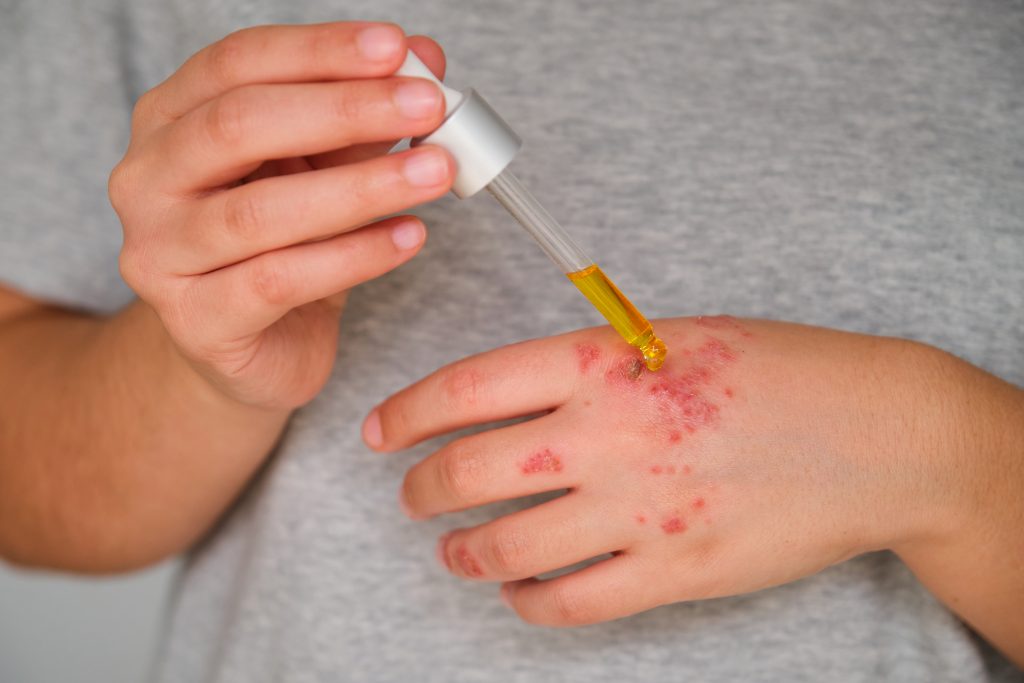
Impetigo often begins with red sores or blisters around the nose, mouth or hands. These burst and leave behind golden-brown crusty patches. On brown and black skin, the redness may be less noticeable.
The patches can:
- Look like cornflakes stuck to the skin
- Spread to other areas
- Feel itchy or sore
Sometimes yellow fluid oozes from the blisters and hardens into a scaly border around a scab, which is called bullous impetigo. The infection can look similar to cold sores, eczema or shingles, so getting it checked is important.
How to Get Rid of Impetigo: Treatment Options
The treatment you need depends on how much of the skin is affected and the type of impetigo you have. A pharmacist or GP will assess the infection and check that it is not something more serious, such as cellulitis.
Hydrogen Peroxide Cream
NICE recommends considering hydrogen peroxide 1% cream first for localised impetigo in people who are otherwise well, as evidence suggests it works as well as a topical antibiotic. It can bleach fabric, so keep it off clothes.
Impetigo Antibiotics
Impetigo antibiotics are used when the cream is unsuitable, such as near the eyes, or has not worked. They may be a short course of antibiotic cream or tablets for widespread or bullous impetigo, babies, and people with weakened immunity. Always finish the course, even if the sores clear.
How to Stop Impetigo Spreading
Impetigo passes easily through direct skin contact or by sharing items such as towels. It can also develop when bacteria enter damaged skin, including cuts, insect bites or areas affected by eczema. Good hygiene protects others while you recover.
A few simple precautions can reduce the risk of spreading:
- Stay away from work, school, or nursery until you are no longer contagious.
- Wash affected areas with soap and water, and dry them thoroughly.
- Wash your hands often, especially before and after using cream.
- Wash towels, flannels, and bedding at a high temperature.
- Avoid scratching the sores, sharing towels, and preparing food for others.
When to See a GP Instead
Some cases of impetigo need a GP assessment rather than routine pharmacy treatment. Contact your GP if:
- The patient is a baby aged 11 months or younger.
- You are breastfeeding and have sores on your breasts.
- You have a weakened immune system.
- Treatment has not worked, or symptoms are getting worse.
- Impetigo returns within a year.
Seek urgent medical advice if the skin becomes increasingly painful, hot or swollen, or if redness spreads quickly. These symptoms may indicate a more serious skin infection that needs prompt assessment. Phone the surgery first, as impetigo is very infectious.
Get Advice on Impetigo Treatment in Farnham Common
If you notice sores or crusty patches that look like impetigo, getting them checked early can help you get the right treatment and prevent the infection from spreading. At Aroga Pharmacy in Farnham Common, we offer an NHS Pharmacy First impetigo service, free for eligible patients. Our pharmacist will assess your skin and provide treatment if clinically appropriate. If you are looking for impetigo treatment in Slough or impetigo treatment in Gerrards Cross, it is a convenient first step without needing a GP appointment.
Book your impetigo consultation today, and let our team help you take the next step towards healthier skin.
Frequently Asked Questions
Q. How do you get rid of impetigo fast?
Ans. See a pharmacist or GP for hydrogen peroxide cream or antibiotics. With treatment, impetigo often improves within a few days, and finishing the full course helps stop it coming back.
Q. What are the first symptoms of impetigo?
Ans. Red sores or blisters, often around the nose and mouth, that burst and leave golden-brown crusty patches. They can be itchy or sore, and the redness may be harder to see on brown and black skin.
Q. Do I need antibiotics for impetigo?
Ans. Not always. For localised impetigo in otherwise well people, NICE suggests considering hydrogen peroxide cream first. Antibiotics are used if the cream is unsuitable or ineffective or if the infection is widespread or bullous.
Q. How long is impetigo contagious?
Ans. It stops being contagious 48 hours after you start hydrogen peroxide cream or antibiotics. Without treatment, it can take 7 to 21 days, usually until the patches have healed, dried out, and crusted over.
Q. Can I go to school or work with impetigo?
Ans. No. Stay away from work, school, or nursery until you are no longer contagious.
Q. Where can I get impetigo treatment near Slough or Gerrards Cross?
Ans. Aroga Pharmacy in Farnham Common offers an NHS Pharmacy First impetigo service to eligible patients from Slough, Gerrards Cross, and the surrounding area.