
Shingles is a common viral condition that can affect people of all ages, but older adults are generally at a higher risk of developing more severe symptoms and complications. As the immune system naturally changes with age, the body’s ability to control certain viral infections may become less effective.
Understanding the risks associated with shingles in elderly individuals is important because early recognition and timely treatment may help reduce the likelihood of complications. If you are looking for shingles treatment in Taplow and are concerned about symptoms in yourself or a loved one, knowing what to look for can help you seek appropriate advice promptly.
What Causes Shingles In Older Adults?
Shingles is caused by the reactivation of the varicella zoster virus, the same virus responsible for chickenpox.
After a person recovers from chickenpox, the virus remains dormant within the nervous system. Years or even decades later, it can reactivate and cause shingles.
The cause of shingles in elderly adults is often linked to age-related changes in immune function. Other factors that may increase risk include:
- Advancing age
- Stress
- Certain medical conditions
- Treatments that affect the immune system
- Periods of physical illness
While it is not always possible to predict who will develop shingles, the condition becomes more common as people get older.
What Are The Signs And Symptoms Of Shingles In The Elderly?
The signs and symptoms of shingles in the elderly often begin before the characteristic rash appears.
Early symptoms may include:
- Tingling or burning sensations
- Pain on one side of the body
- Sensitivity to touch
- Headache
- Feeling generally unwell
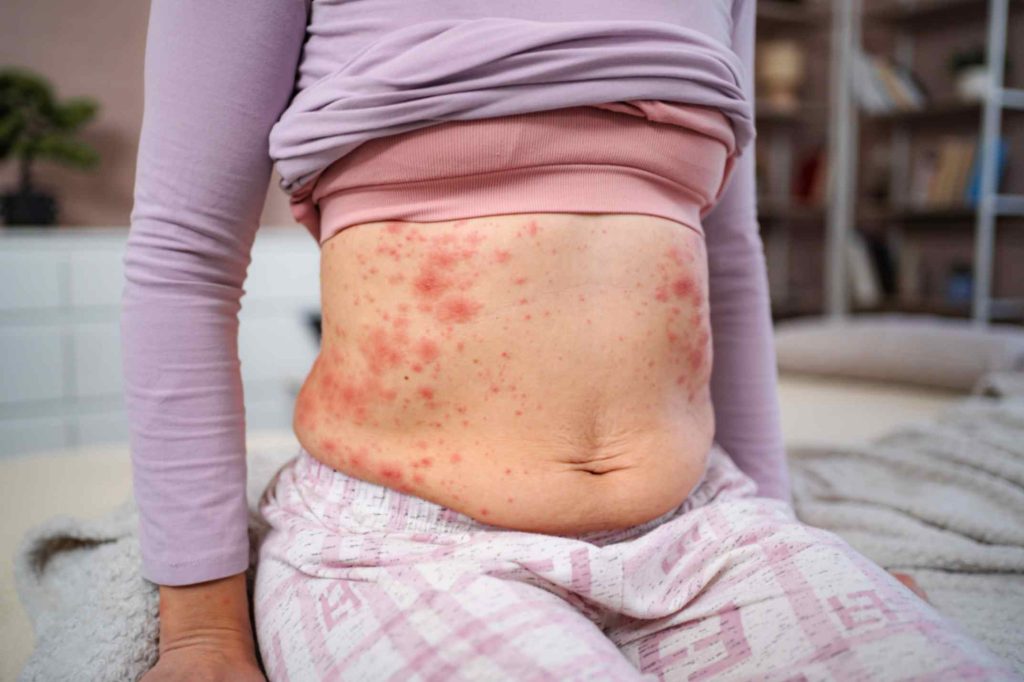
A rash usually develops shortly afterwards and often appears as a band of fluid-filled blisters on one side of the body or face.
Common signs and symptoms of shingles in the elderly include:
- Painful skin rash
- Itching
- Burning sensations
- Blisters
- Fatigue
- Increased skin sensitivity
Symptoms can vary from person to person, and some older adults may experience significant discomfort.
Why Are Older Adults More Vulnerable To Shingles Complications?
Older adults are generally more vulnerable because immune function naturally changes with age.
As a result, shingles symptoms may last longer, and recovery can sometimes take more time compared with younger individuals.
Pain associated with shingles may also be more severe in older adults, particularly when treatment is delayed.
This is one reason why prompt assessment is often recommended when symptoms first appear.
What Are the Most Common Shingles Complications in Elderly Patients?
Shingles complications in elderly patients can occasionally be significant, particularly when the condition affects sensitive areas such as the face or eyes.
Potential complications may include:
- Postherpetic neuralgia, ongoing nerve pain after the rash has healed
- Secondary skin infections
- Eye complications when shingles affects the eye area.
- Reduced quality of life due to persistent pain
- Sleep disruption caused by discomfort
Not everyone will experience complications, but the risk tends to increase with age.
Seeking medical advice early may help reduce the likelihood of certain complications developing.
What Treatment Options Are Available?
Shingles treatment in the elderly often focuses on managing symptoms and supporting recovery.
Healthcare professionals may consider treatment options based on the following:
- The severity of symptoms
- The location of the rash
- How quickly treatment is started
- The individual’s overall health
Early assessment is important because some treatments are generally most effective when started soon after symptoms begin.
In addition to medical treatment, self-care measures such as adequate rest, hydration and appropriate skin care may help support recovery.
Can the shingles vaccine help reduce risk?
Yes, vaccination may help reduce the risk of developing shingles and some of its associated complications.
The shingles vaccine is offered to eligible groups in the UK as part of national vaccination programmes.
When discussing the risks of shingles vaccine information, it is important to understand that healthcare professionals can provide personalised guidance based on age, eligibility and individual circumstances.
People who are unsure whether they are eligible for vaccination should seek advice from an appropriate healthcare professional.
When Should You Seek Professional Advice?
You should seek professional advice as soon as possible if you suspect shingles.
Early assessment is particularly important if:
- The rash affects the face or eyes
- Symptoms are severe.
- Pain is significant.
- The individual is older or has underlying health conditions.
- Symptoms continue to worsen
Prompt medical attention may help ensure appropriate treatment and monitoring where necessary.
Need Advice About Shingles Symptoms?
If you are concerned about possible shingles symptoms or would like professional guidance, Aroga Pharmacy can help. We support patients seeking shingles treatment in Taplow, East Burnham and surrounding areas with advice on symptoms, treatment options and when further medical assessment may be appropriate. Our team can help you understand the signs of shingles, discuss available support and provide guidance on the next steps. Book an appointment today to receive personalised advice and support for shingles-related concerns.
Frequently Asked Questions
What causes shingles in elderly adults?
Shingles occurs when the varicella zoster virus, which remains dormant after chickenpox, becomes active again later in life.
What are the first signs and symptoms of shingles in the elderly?
Early symptoms often include tingling, burning sensations, pain and skin sensitivity before a rash develops.
What are the most common shingles complications in elderly patients?
Postherpetic neuralgia, ongoing nerve pain after the rash has healed, is one of the most commonly reported complications.
Is shingles more serious in older adults?
Older adults may be at greater risk of prolonged symptoms and complications, which is why early assessment is important.
Can the shingles vaccine help prevent shingles?
Vaccination may help reduce the risk of developing shingles and certain related complications in eligible individuals.