
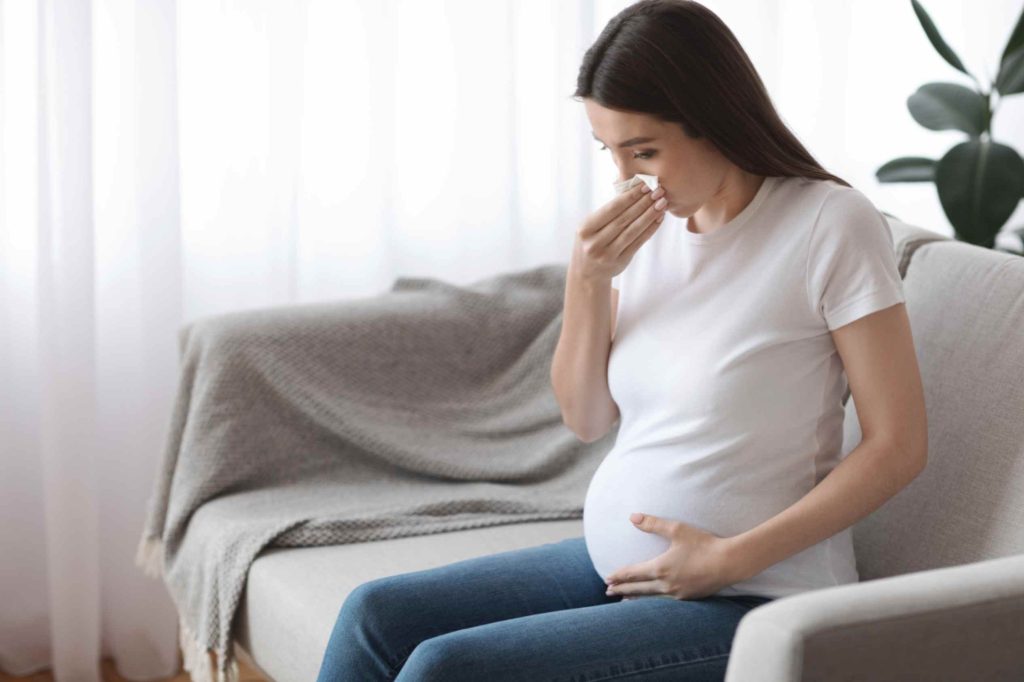
Sinusitis during pregnancy is common because pregnancy hormones can cause the nasal passages to swell and become congested. The good news is that there are several safe treatments and self-care measures that can help ease symptoms without putting your baby at risk. Most sinus infections are viral and clear within two to three weeks, whether you’re pregnant or not.
Why Are You More Prone to Sinus Infections in Pregnancy?
Pregnancy hormones increase blood flow to the nose and can lead to more mucus production. This can leave the nasal passages swollen and make sinus infections more likely, particularly from the second trimester onwards.
- Hormonal changes cause nasal swelling and congestion, sometimes called pregnancy rhinitis
- Thicker mucus can block the sinuses and allow infection to take hold
- Colds and allergies can trigger sinusitis more easily during pregnancy
What Are Safe Treatments for Sinusitis During Pregnancy?
Paracetamol and saline nasal sprays or rinses are generally considered safe treatments for sinusitis during pregnancy. Even so, it’s best to check with a pharmacist, midwife or GP before taking or using anything new.
- Paracetamol, at the lowest effective dose, for pain and fever
- Saline nasal sprays or rinses to ease congestion
- Steam inhalation and warm compresses for comfort
Which Sinusitis Treatments Should You Avoid During Pregnancy?
Ibuprofen and other NSAIDs should be avoided in pregnancy, particularly after 20 weeks, and decongestant sprays or tablets aren’t thought to be safe unless a healthcare professional advises otherwise.
- Ibuprofen, aspirin and other NSAIDs
- Oral and nasal decongestants, unless prescribed
- Any new herbal or complementary remedy without checking first
What Self-Care Steps Help With Sinusitis During Pregnancy?
A few simple measures can make sinusitis symptoms easier to manage while your body fights the infection, without putting your baby at risk.
- Drink plenty of fluids and get as much rest as you can
- Try steam inhalation or place a warm flannel over your face
- Sleep with your head slightly raised to encourage your sinuses to drain
When Should You See a Healthcare Professional About Sinus Infections in Pregnancy?
Speak to your GP or midwife if your symptoms last more than ten days, you develop a high fever or you feel seriously unwell. NICE guidance treats sepsis in pregnancy as a medical priority that requires urgent referral.
- Symptoms lasting more than ten days or worsening after improving
- A high fever, facial swelling or severe headache
- Feeling seriously unwell, which needs urgent assessment
Get Safe Sinusitis Treatment Advice at Aroga Pharmacy
You don’t have to manage sinusitis during pregnancy on your own. Aroga Pharmacy’s trained pharmacists can advise you on safe sinusitis treatment and explain when you should speak to your GP. Book a consultation with Aroga Pharmacy today for pregnancy-safe advice.
Frequently Asked Questions
Is sinusitis during pregnancy dangerous for my baby?
Most sinusitis is mild and does not harm your baby, but it’s still worth getting advice, especially if symptoms are severe, since untreated infections can occasionally lead to complications.
Can I take paracetamol for sinusitis while pregnant?
Yes, paracetamol is generally considered safe throughout pregnancy at the lowest effective dose, but you should still check with your pharmacist, midwife or GP first.
Why do I keep getting sinus infections in pregnancy?
Pregnancy hormones cause ongoing nasal swelling and thicker mucus, which makes the sinuses more prone to blocking and becoming infected than usual.
Is it safe to use a decongestant for sinusitis during pregnancy?
Decongestant sprays and tablets aren’t thought to be safe in pregnancy and should only be used if a healthcare professional specifically advises it.
Will I need antibiotics for sinusitis treatment while pregnant?
Most sinus infections are viral and clear without antibiotics, but if a bacterial infection is confirmed, your GP will choose an antibiotic considered appropriate for pregnancy.
When should I seek urgent help for sinusitis during pregnancy?
Seek urgent help if you develop a high fever, severe facial pain or swelling, or feel seriously unwell, as these can signal a more serious infection needing prompt assessment.