
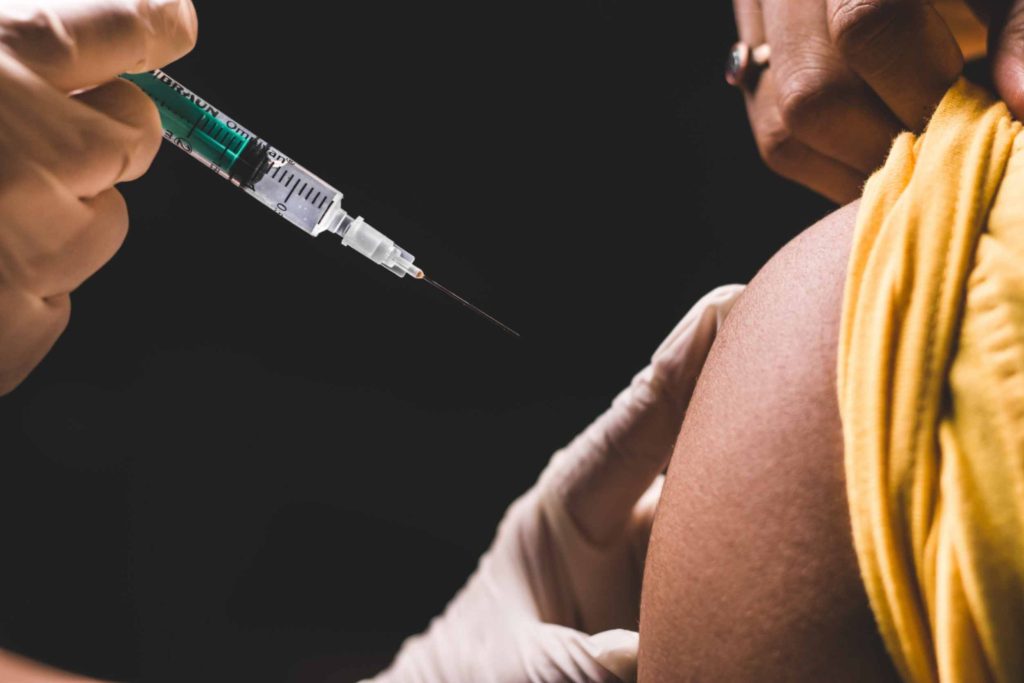
Travel vaccines protect you against specific infections, such as yellow fever, typhoid and hepatitis A. Which ones you need will depend on where you’re going, how long you’re staying and what you’ll be doing there.
Malaria is slightly different. There is currently no malaria vaccine available for UK travellers, so protection mainly comes down to antimalarial tablets and avoiding mosquito bites. Getting advice before you travel gives you time to arrange any vaccinations and start malaria prevention at the right time.
Is There a Malaria Vaccine for Travel?
No, there is currently no malaria vaccine available or recommended for UK travellers.
The World Health Organization has approved two malaria vaccines, RTS,S/AS01 and R21/Matrix-M. However, these are used in routine childhood immunisation programmes in malaria-endemic parts of Africa rather than for people taking short-term trips abroad.
Research into malaria vaccines continues, including vaccines that could potentially be used for travellers, but none are currently approved or available for this purpose. For now, antimalarial tablets and avoiding mosquito bites remain the main ways for travellers to protect themselves.
How Does Malaria Prevention Work for Travellers?
Since there isn’t a malaria vaccine for travellers, prevention usually involves two things: reducing your chances of being bitten and taking the appropriate antimalarial tablets for your destination.
Some simple precautions include:
- Using insect repellent and covering exposed skin, particularly in the evening.
- Sleeping under a treated mosquito net where appropriate.
- Taking the recommended antimalarial tablets as advised, including starting and finishing them at the right times.
- Knowing the symptoms of malaria and getting medical advice promptly if you become unwell after returning home, even if several months have passed.
What Are Malaria Tablets, and How Do They Work?
Malaria tablets don’t stop mosquito bites, but they prevent the parasite from developing in your body once you’ve been bitten.
Different tablets, such as Malarone or doxycycline, suit different destinations, health histories and lengths of trip. Some need to be started before you travel and continued for weeks after you return, so it’s worth checking well in advance rather than leaving it to the last minute.
What Travel Vaccinations Do You Need in the UK?
There isn’t one standard list of travel vaccinations for everyone. The vaccines you need depend on your destination, your plans and whether you’ve already had certain vaccinations.
Common travel vaccines include:
- Yellow fever, required by law for entry to some countries.
- Typhoid and hepatitis A, common for many long-haul destinations.
- Routine UK vaccines, checked and topped up if you’re overdue.
- Other destination-specific vaccines, depending on where you’re travelling and what you’ll be doing.
Ideally booked 4 to 6 weeks before you travel, since some vaccines need time to take effect.
What Happens at a Travel Health Clinic Consultation?
A travel health clinic consultation reviews your itinerary, health history and planned activities to confirm exactly which vaccines for travel and malaria precautions you need.
At Aroga Pharmacy’s travel clinic, travellers from East Burnham, Taplow and surrounding areas can have a pre-travel health assessment and get advice based on their plans. You’ll also be able to discuss when to have your vaccinations and, where appropriate, which antimalarial tablets you may need.
Get the Right Travel Health Advice for Your Trip
Don’t leave your travel health to chance. Whether you need a travel clinic in Taplow or a travel clinic in East Burnham, Aroga Pharmacy in Farnham Common can advise on malaria prevention and arrange the right travel vaccinations for your trip. Book your travel health consultation with Aroga Pharmacy today.
Frequently Asked Questions
Is there a malaria vaccine for travel?
No. The malaria vaccines currently approved by the WHO are given to children in malaria-endemic countries, not to travellers, so prevention still relies on tablets and bite avoidance.
What is the most effective malaria prevention for travellers?
A combination approach works best: taking the correct antimalarial tablets for your destination and avoiding mosquito bites with repellent, covered skin and a treated net.
How do malaria tablets work?
Malaria tablets don’t repel mosquitoes, but they stop the malaria parasite developing in your body if you’re bitten, which is why timing and completing the course matters.
What travel vaccinations are recommended before visiting a malaria-risk country?
This depends on your destination, but yellow fever, typhoid and hepatitis A are commonly recommended, alongside checking your routine UK vaccines are up to date.
When should I book a travel health clinic appointment?
Ideally 4 to 6 weeks before you travel, since some travel vaccines need multiple doses or time to become fully effective.