
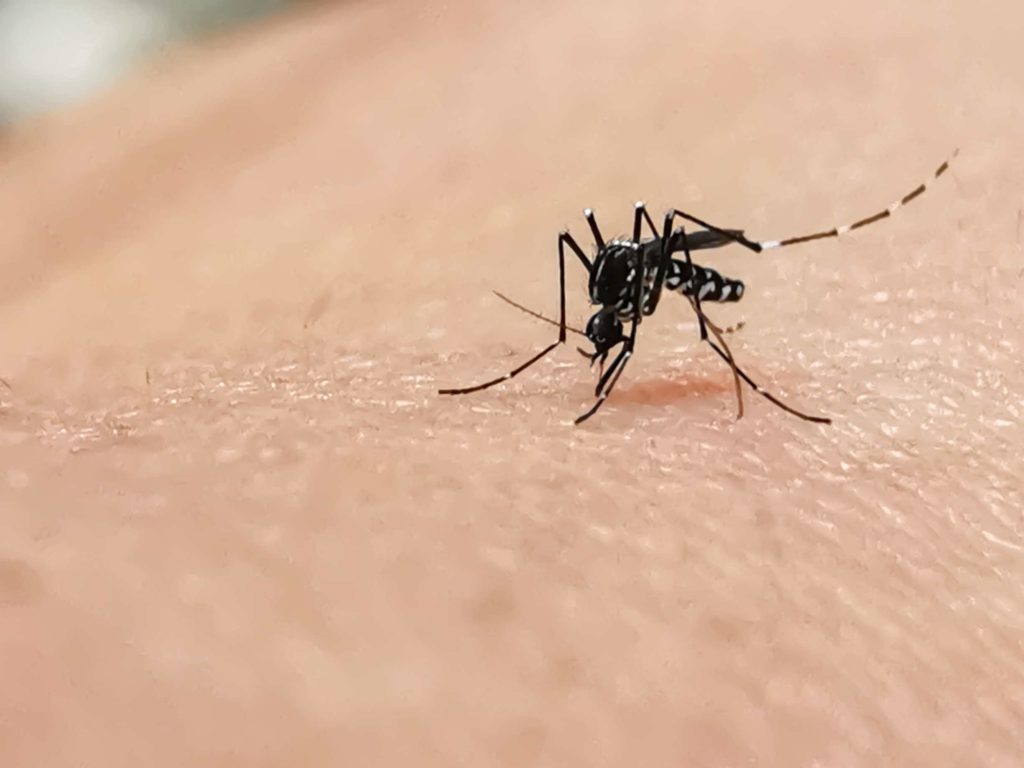
Malaria symptoms include a high fever, chills, sweating, headache, muscle aches, and extreme tiredness, and they usually appear 7 to 18 days after being bitten by an infected mosquito. Any fever or flu-like illness within a year of travelling to a malaria-risk country is a medical emergency until malaria has been ruled out, so urgent advice should never wait.
Common Malaria Signs and Symptoms
Malaria is not always easy to recognise at first. The early symptoms can feel much like the flu, with fever, aches, and tiredness. The disease occurs in more than 90 countries, particularly across sub-Saharan Africa, South Asia, and parts of Central and South America.
Typical symptoms include:
- A high temperature, or feeling hot, cold, or shivery
- Sweating and chills
- Headaches and muscle or joint pain
- Nausea, vomiting, or diarrhoea
- Loss of appetite and extreme tiredness
More serious symptoms, which need immediate emergency care, include confusion, breathing difficulties, and yellowing of the eyes or skin.
When Malaria Symptoms Appear After Travel
Malaria symptoms after travel most commonly develop within 7 to 18 days of a mosquito bite, although symptoms can sometimes be delayed for months and, in rare cases, years.
This is one reason malaria can be overlooked. You may feel completely well when you return home, only to develop symptoms weeks later when the trip no longer feels recent.
Why Fever After Travel Is Always Urgent
A fever during or after travel to a malaria-risk area should not simply be put down to a cold or stomach bug. Call NHS 111, contact a GP urgently, or attend A&E if you feel seriously unwell. Make sure you tell the healthcare professional where you have travelled. If you travelled with other people, encourage them to seek medical advice too, even if they have no symptoms.
How to Prevent Malaria Before and During Travel
Malaria prevention relies on the NHS-recommended ABCD approach: Awareness of risk, Bite prevention, Chemoprophylaxis, and prompt Diagnosis if symptoms develop. Ideally, seek travel health advice at least four to six weeks before departure. This gives you time to arrange any recommended vaccinations and the right antimalarial course.
Malaria Tablets for Travel
Malaria tablets for travel reduce the risk of malaria by stopping the parasite from developing in the body, but no antimalarial provides complete protection. The right option depends on your destination, medical history, and how long you are travelling, so speak to a pharmacist or GP before you go.
Avoiding Mosquito Bites
Malaria tablets are only part of prevention. Use insect repellent containing DEET, sleep under a treated mosquito net, and cover your arms and legs with long sleeves and trousers in the evening, when mosquitoes are most active.
Get Advice on Malaria Prevention Before Travel
If you need a travel vaccination clinic in Hedgerley or a travel clinic in Slough, Aroga Pharmacy in nearby Farnham Common offers pre-travel health consultations, including malaria risk assessment and advice on antimalarial tablets, alongside travel vaccinations for destinations worldwide.
Book your travel health appointment with Aroga Pharmacy well before departure, so you have time to put the right protection in place for your trip.
Frequently Asked Questions
What are the first signs of malaria?
Early malaria symptoms include a high temperature, chills, sweating, headache, and muscle aches, often mistaken for flu. Symptoms usually start 7 to 18 days after a mosquito bite.
How soon after travel can malaria symptoms appear?
Most people develop malaria symptoms after travel within 7 to 18 days, though delayed onset of several months, or rarely a year or more, is possible.
What should I do if I have a fever after travelling somewhere with malaria?
Treat it as a medical emergency until malaria is ruled out. Contact NHS 111, your GP, or A&E urgently, and tell them exactly where you have travelled.
Do malaria tablets guarantee I won’t get malaria?
No. Malaria tablets for travel significantly reduce risk but do not offer complete protection, so bite prevention measures are still essential alongside them.
When should I get travel advice before visiting a malaria-risk country?
Ideally four to six weeks before departure, to allow time for the right vaccinations and antimalarial tablets to be arranged, though it’s still worth seeking advice even at short notice.
Where can I get travel health advice near Hedgerley or Slough?
Aroga Pharmacy in Farnham Common offers a travel vaccination clinic serving Hedgerley, Slough, and the surrounding area, with pre-travel consultations covering malaria prevention.