
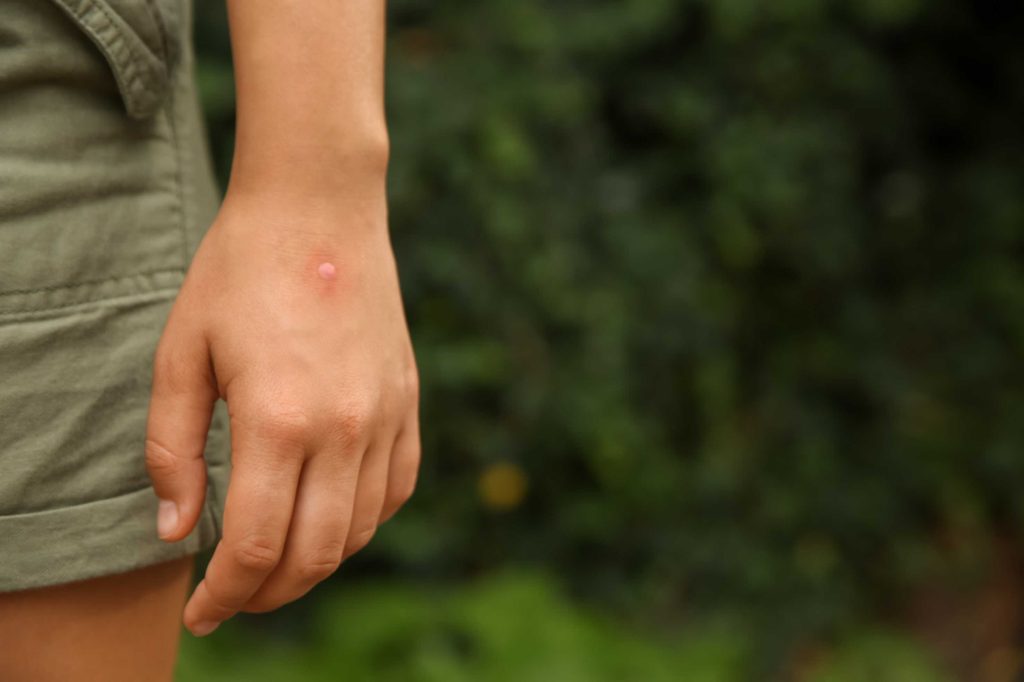
A bite that looks harmless in the morning can feel very different by the evening. If the redness starts spreading, the skin becomes hot, or the pain intensifies instead of settling, it may be more than just a simple reaction.
An insect bite infection can develop when bacteria enter the skin, often through scratching or broken skin. While many insect bite symptoms improve within a few days, infections tend to worsen rather than heal. Recognising these early warning signs is important, as timely care can prevent complications and help you manage symptoms safely with the right support.
What are normal insect bite symptoms?
Most bites cause mild irritation that improves on its own within a few days. These symptoms are usually not a cause for concern.
Common insect bite symptoms include:
- Redness around the bite area.
- Mild swelling or itching.
- A small raised bump on the skin.
- Slight warmth at the site.
These symptoms are part of your body’s natural response. They should gradually settle without needing medical treatment.
When does an insect bite become infected?
An insect bite infection occurs when bacteria enter the skin, often through scratching or broken skin. This can lead to worsening symptoms rather than improvement.
Signs of an infected insect bite
If a bite becomes infected, you may notice:
- Increasing redness that spreads beyond the original bite.
- Pain that becomes more intense over time.
- Pus or fluid leaking from the bite.
- Skin that feels hot to the touch.
These signs suggest that the body is struggling to control the infection.
Insect bite infection fever and general symptoms
Sometimes the infection can affect your whole body. This is more serious and should not be ignored.
Watch for:
- Fever or chills linked to an insect bite infection fever.
- Feeling tired or unwell.
- Swollen glands near the affected area.
If you notice these symptoms, it is important to seek advice from our pharmacists promptly.
Are some bites more likely to get infected?
Some types of bites carry a higher risk of infection, especially if they cause more skin damage.
Infected mosquito bite
A mosquito bite is usually harmless, but constant scratching can break the skin. This increases the risk of infection, especially in children or people with sensitive skin.
Infected spider bite
An infected spider bite may appear more severe. You might notice:
- A larger area of redness.
- Blistering or darkening of the skin.
- Increasing pain over time.
Although serious reactions are rare in the UK, any worsening symptoms should be checked.
Who is at higher risk?
Some people are more prone to complications, including:
- Those with weakened immune systems.
- People with diabetes.
- Individuals with poor circulation.
In these cases, even a minor bite can develop into an infected insect bite more easily.
How can you treat an infected insect bite safely in the UK?
Early care can help prevent the infection from worsening. If symptoms are mild, simple steps may be enough.
What you can do at home
For early or mild symptoms:
- Keep the area clean and dry.
- Avoid scratching the bite.
- Use a cold compress to reduce swelling.
- Apply soothing creams recommended by a pharmacist.
When to seek professional treatment
If symptoms are getting worse or not improving, it is important to seek advice. Our pharmacists can assess the bite and recommend appropriate treatment.
You may need:
- Antiseptic or medicated creams.
- Further assessment if the infection is spreading.
If you are searching for insect bite treatment in Stoke Poges, it is important to choose a trusted UK pharmacy that provides safe and clinically appropriate care. At Aroga Pharmacy in Farnham Common, we offer professional support to help you manage symptoms early and safely.
When should you not ignore a bite?
Some warning signs mean you should act quickly. Ignoring these can lead to more serious complications.
Urgent symptoms to watch for
Seek prompt advice if you notice:
- Rapidly spreading redness.
- Severe pain or swelling.
- Fever linked to the bite.
- Red streaks spreading from the area.
These signs may indicate a deeper infection that needs attention.
Need help with a concerning insect bite?
If you are unsure whether your symptoms are normal or signs of an infection, it is always best to get professional advice. Early assessment can prevent complications and give you peace of mind.
If you live in or near Stoke Poges, book an appointment at Aroga Pharmacy in Farnham Common today. Our pharmacists can assess your symptoms and guide you on safe and appropriate treatment.
Frequently Asked Questions
1. How do I know if an insect bite is infected?
If redness spreads, pain worsens, or pus appears, it may be an infected insect bite. A fever or feeling unwell can also signal an infection.
2. When should I worry about an infected mosquito bite?
You should worry if swelling increases, the area becomes painful or warm, or you notice pus, fever, or red streaks spreading from the bite.
3. Can an insect bite infection go away on its own?
Mild infections may settle with basic care, but worsening symptoms like pain, swelling, or fever usually need assessment and proper treatment.
4. What does an infected spider bite look like?
An infected spider bite may show spreading redness, swelling, blistering, or dark skin changes, along with increasing pain rather than gradual improvement.
5. Can an insect bite cause fever?
Yes, an insect bite infection fever can occur if the infection spreads. This may be accompanied by chills, tiredness, or swollen glands.
6. What is the best treatment for an infected insect bite in the UK?
Treatment depends on severity. Keeping the area clean, avoiding scratching, and using pharmacist-recommended creams can help. More serious cases need professional assessment.