
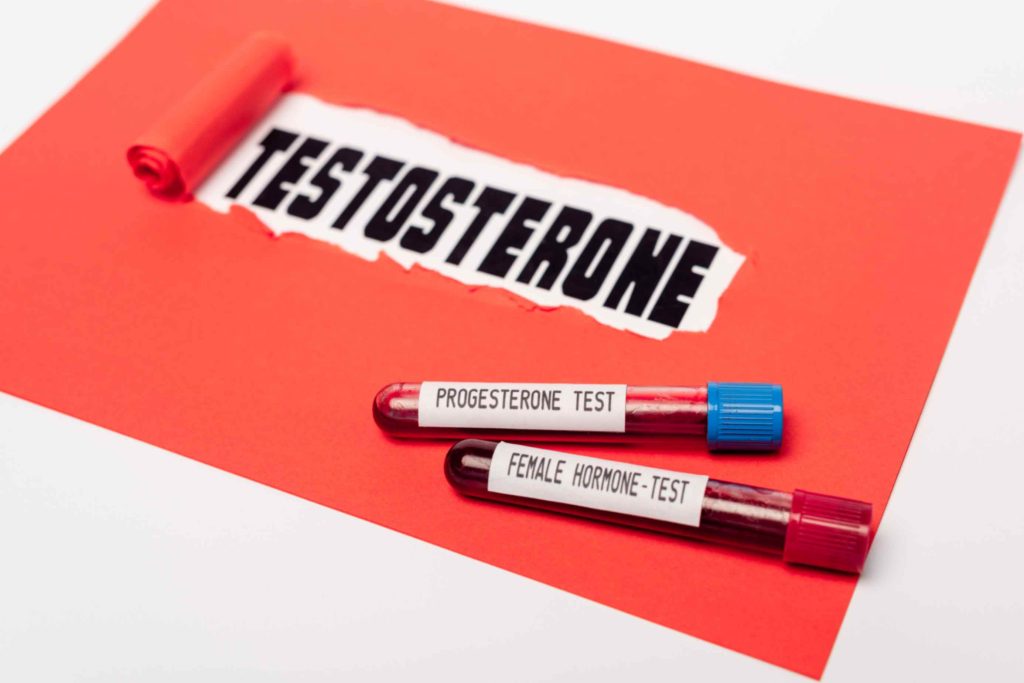
Hormones influence many important processes in the body, including metabolism, fertility, mood, and energy levels. When these chemical messengers become unbalanced, symptoms can appear gradually and affect everyday wellbeing.
A hormone blood test is a simple way to measure hormone levels and identify possible imbalances. Many people now choose a blood test for hormones to better understand symptoms such as fatigue, weight changes, low mood, or irregular menstrual cycles.
In this blog, we explain what hormone tests check, why they may be recommended for men and women, and how a hormone level test can support better health decisions.
What is a hormone blood test, and what does it check?
A hormone blood test measures the amount of specific hormones circulating in your bloodstream. These tests help identify whether hormone levels fall within the normal range for your age and sex.
Hormones regulate many essential functions in the body. When levels change, even slightly, it can affect physical and emotional health.
Which hormones are commonly tested?
A hormone level test may assess different hormones depending on symptoms. Common examples include:
- Thyroid hormones that influence metabolism and energy levels.
- Oestrogen and progesterone, which regulate the menstrual cycle.
- Testosterone, which plays an important role in male health and muscle function.
- Cortisol, which helps the body respond to stress.
- Follicle-stimulating hormone, which is linked to fertility and reproductive health.
Testing these hormones can help identify patterns that explain ongoing symptoms.
When might someone need a hormone test?
Hormone testing may be considered if symptoms suggest a possible imbalance. These can include:
- Persistent tiredness or low energy.
- Unexplained weight gain or difficulty losing weight.
- Irregular periods or fertility concerns.
- Mood changes or difficulty concentrating.
- Changes in hair growth or hair loss.
Our pharmacists can help determine whether a hormone blood test may be appropriate based on your symptoms and medical history.
How do hormone tests differ for men and women in the UK?
Although many hormones are present in both sexes, testing often focuses on different markers depending on whether the patient is male or female.
Hormone test for women
A hormone test for women commonly focuses on reproductive hormones that influence menstrual health and fertility.
These tests may evaluate:
- Oestrogen levels linked to the menstrual cycle.
- Progesterone levels which support pregnancy and cycle regulation.
- Follicle-stimulating hormone to assess ovarian function.
- Luteinising hormone, which helps regulate ovulation.
Hormone testing can be helpful when investigating symptoms such as irregular periods, menopause symptoms, or fertility concerns.
Hormone test for men
A hormone test for men often focuses on testosterone and other hormones that influence energy, mood, and sexual health.
Low testosterone levels can sometimes lead to symptoms such as:
- Reduced energy levels.
- Decreased muscle mass.
- Low mood or lack of motivation.
- Reduced libido.
A hormone level test can help identify whether testosterone levels fall outside the normal range and whether further assessment may be helpful.
How is a hormone blood test carried out?
A blood test for hormones is quick and straightforward. A trained professional takes a small blood sample from a vein in your arm.
The sample is then analysed in a laboratory to measure hormone concentrations.
Do you need to prepare for the test?
Some hormone tests require specific timing or preparation. For example:
- Certain tests may need to be taken in the morning when hormone levels are most stable.
- Women may be advised to test at a particular stage of the menstrual cycle.
- You may be asked to avoid food or strenuous exercise beforehand.
Our pharmacists will explain any preparation needed before your appointment.
How long do results take?
Results for a hormone blood test are usually available within a few days, depending on the type of test performed.
Once results are ready, our pharmacists can help explain what the results mean and whether further assessment or treatment may be needed.
How much does a hormonal imbalance test cost in the UK?
Many people searching for a hormonal imbalance test price want to understand the cost before booking.
Prices can vary depending on the number of hormones being tested and the type of panel selected. Some tests measure a single hormone, while others analyse a wider group of markers for a more detailed overview.
Private testing offers the advantage of faster access and convenient appointments without long waiting times.
If you are exploring options for a private blood test in Slough or a private blood test in Farnham Royal, choosing a trusted UK pharmacy clinic that follows recognised clinical standards is important.
At Aroga Pharmacy in Farnham Common, we support patients from surrounding areas by providing reliable testing carried out according to current clinical guidance.
Want to understand your hormone levels with confidence?
Hormone testing can provide valuable insight into symptoms that may otherwise be difficult to explain. Understanding hormone levels can support better decisions about lifestyle changes, further tests, or treatment options.
If you live in or near Slough or Farnham Royal, you can book an appointment at Aroga Pharmacy in Farnham Common for professional testing and guidance from experienced pharmacists.
Frequently Asked Questions
What does a hormone blood test show?
A hormone blood test measures levels of hormones such as oestrogen, testosterone, cortisol, and thyroid hormones to identify imbalances that may affect mood, fertility, metabolism, and energy.
What symptoms suggest you may need a hormone test?
Common signs include fatigue, weight changes, irregular periods, low libido, mood swings, and sleep problems. A hormone level test can help identify whether a hormone imbalance is causing symptoms.
How much does a hormone imbalance test cost in the UK?
The hormonal imbalance test price can vary depending on how many hormones are tested and whether a basic or more comprehensive hormone panel is selected.
What hormones are usually checked in a hormone level test?
Typical tests measure hormones such as oestrogen, progesterone, testosterone, thyroid hormones, cortisol, and fertility hormones like FSH and LH to assess overall hormonal health.
Can stress affect hormone blood test results?
Yes, stress can influence hormones such as cortisol and sometimes thyroid hormones. This is why our pharmacists consider symptoms and medical history alongside test results.
Do I need to fast before a hormone blood test?
Most hormone blood tests do not require fasting, but some tests may have timing requirements. Our pharmacists will explain any preparation needed beforehand.